
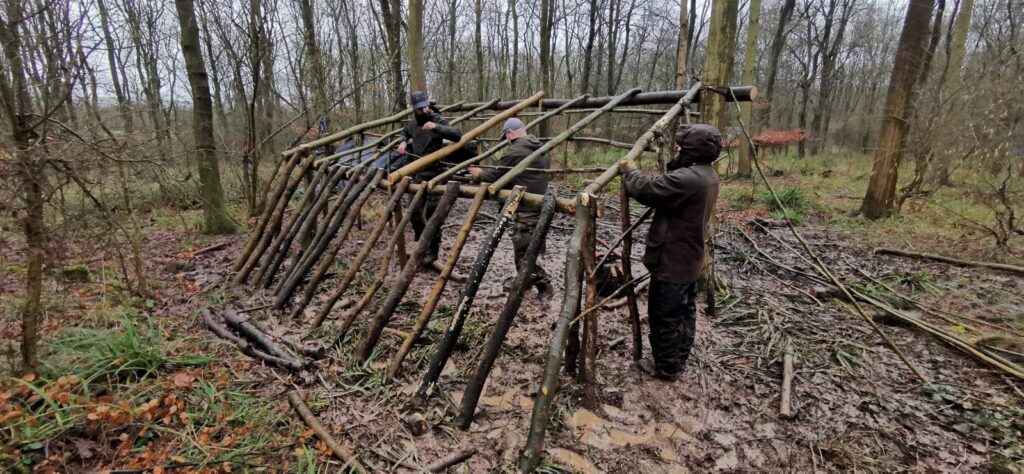
In my work, I’ve spent a lot of time with children, teenagers and men in the outdoors. Around the fire, while carving, building shelters or when trekking across the hills, I’ve had countless conversations about life, family, work and purpose, and one thing has become increasingly clear to me: many men aren’t short of potential; they’re short of direction.
Over the past couple of decades, the role of men has increasingly become the subject of public debate. As society has changed, many of the traditional roles of protector and provider have become less clearly defined, while important conversations around equality have challenged many ideas about gender. At the same time, however, many young men have grown up receiving conflicting messages about what it means to be a man.
Some have concluded that expressing traditionally masculine qualities such as strength, competitiveness or protectiveness is something to be ashamed of. Others have gone looking for certainty elsewhere, often finding role models that promote dominance, anger or resentment rather than maturity and responsibility.
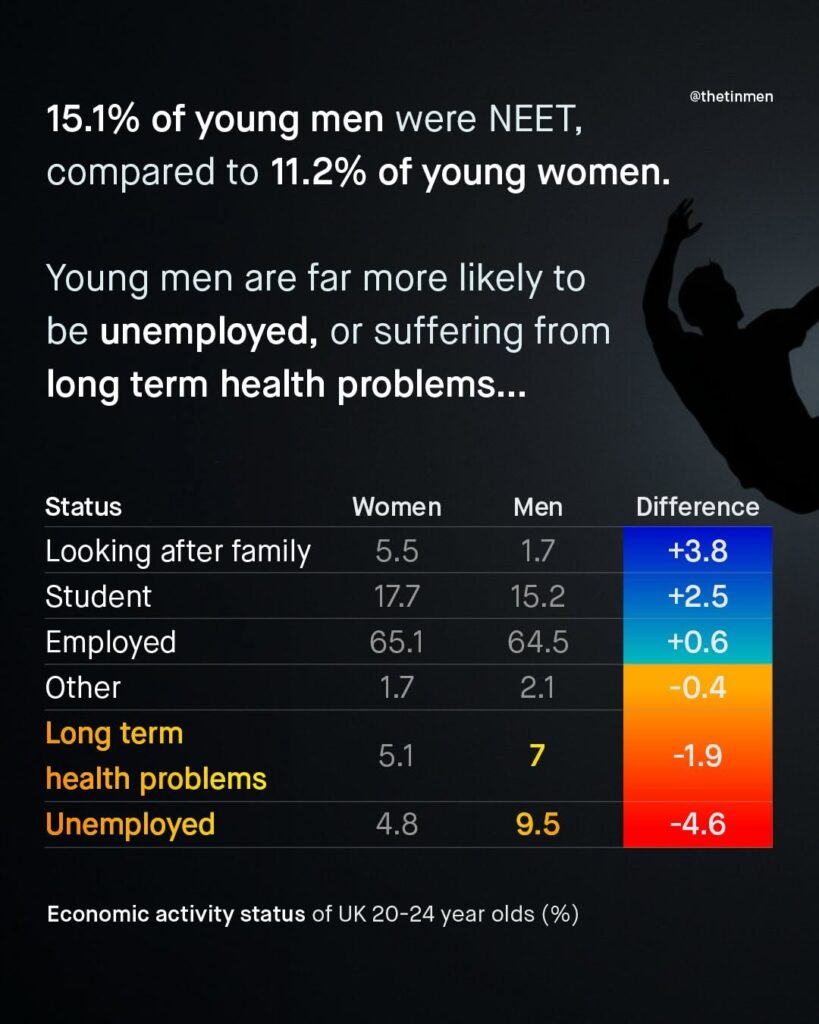
Neither path offers young men what they are really searching for, and without positive role models, meaningful challenge and a healthy vision of masculinity, it is perhaps no surprise that so many young men find themselves lacking purpose, agency and direction. Boys are falling behind girls throughout much of the education system, fewer young men are progressing into higher education, and more are finding themselves outside education, employment or training. These statistics are symptoms of something deeper than academic performance alone.
For me, this isn’t simply a social or economic issue. Every young man has inherent worth, regardless of what he achieves, earns or contributes. His value isn’t determined by how useful he is to society. He deserves the opportunity to build a life that is meaningful, fulfilling and connected to something bigger than himself.
The reason men matter isn’t simply because communities need capable men. Men matter because they are human beings. Strong families and strong communities are the natural result of more men flourishing, not the only reason for helping them do so.
This is why Ember Path exists. We believe that masculinity is not something to be suppressed or idolised, but something to be shaped. The qualities often associated with young men aren’t inherently good or bad; what matters is the direction they are given.
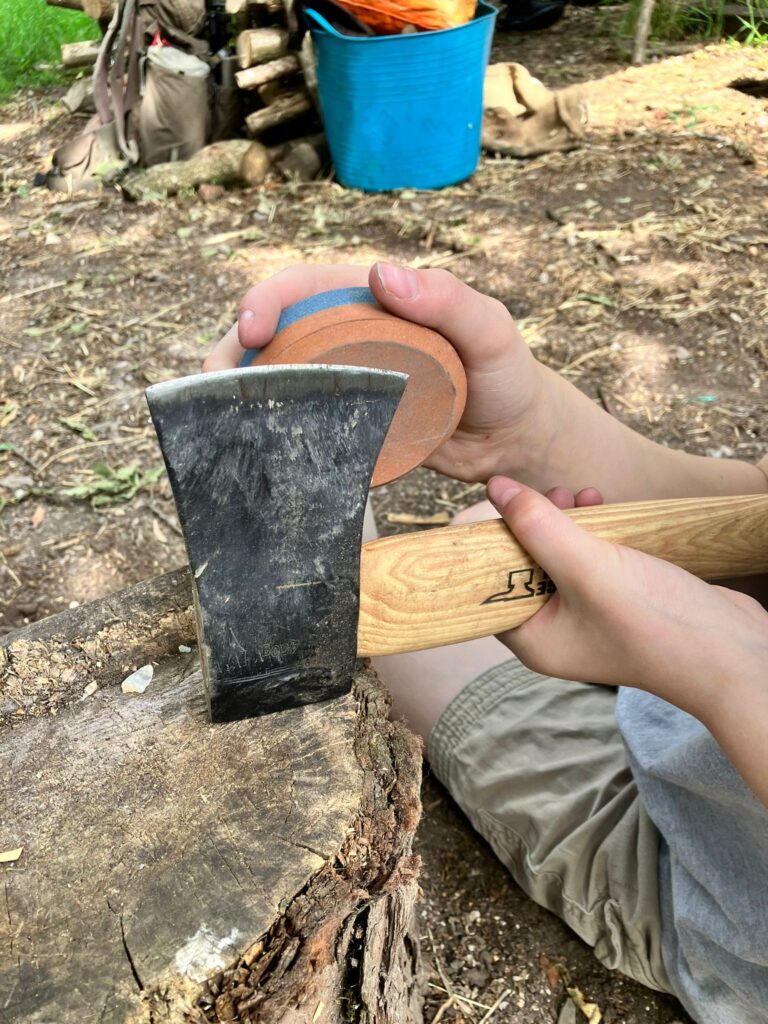
The boy who throws a chair across a classroom in a fit of anger will often happily use those same muscles to swing an axe, split logs and build a fire that provides warmth for a group. The desire to test boundaries can become resilience. Protective instincts can become service. Confidence can become leadership. Emotions can be acknowledged, understood and channelled rather than ignored or allowed to control us.
Capability and responsibility are not opposing ideas; they grow together. As men develop confidence, competence and purpose, they become better equipped to take responsibility for themselves, contribute to those around them and build stronger relationships.
That is the ideal behind Ember Path: We want to create places where young men are challenged, supported and encouraged to grow. Places where they discover that strength and compassion belong together, that responsibility is something to aspire to rather than avoid, and that they have inherent worth long before they have anything to prove.
If we can help even a small number of young men build lives of growth, purpose and connection, the impact will extend far beyond the individual. Strong communities are not built overnight. They are built one capable, responsible man at a time.
About Ember Path
Ember Path creates outdoor experiences that challenge and support men to build growth, connection and contribution. Through bushcraft, shared experience and practical challenge, we aim to help men develop capability, belonging and responsibility.